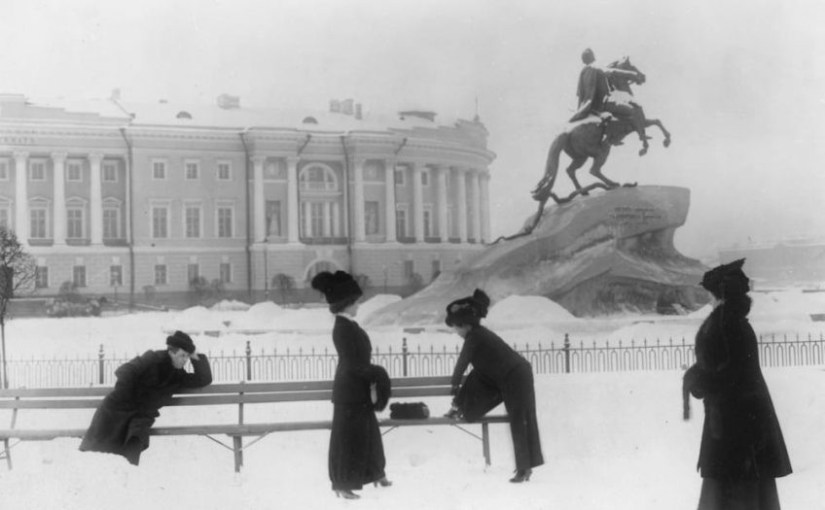
EST Seekordne lugu algab oleviku Saaremaal, kus külastasin maailmanimega fotograafi majamuuseumi ja lõppeb mineviku Saaremaal Bulla surmaga. Looming aga on surematu ja kasvab ajas läbi nende, kes pärandit elus hoiavad.Carl Oswald Bulla sündis 26. veebruaril 1855. aastal Preisimaal Leobschutzis saksa katoliku kaupmehe perekonnas. 1866. aatal saabus Ta Peterburi, kus alates 11. eluaastast töötas Dunanti äris jooksupoisina. 1874. aastal alustas iseseisvat tegevust fotograafina. 1876. aastal andis Bulla lojaalsusvande Vene kodakondsuse saamiseks. 24. märtsil 1886. aastal anti Talle luba pildistada pealinna ja selle ümbruskonda ning Temast sai esimene Vene fotoajakirjanik. Üle saja tuhande foto aastatest 1874- 1917 kuulub lahutamatult 19.-20. sajandi vahetuse Vene impeeriumi visuaalsesse kujutusse. Tema jaoks oli ühtviisi huvitav pildistada tsaari perekonda kui ka töölisi, nii Lev Tolstoid kui ka orbudekodu õpilasi, nii kroonitud peade kohtumisi Talvepalees kui ka Ameerika meremeeste jalutuskäike linna peal.


Bulla ateljeest, mis asus aadressil Nevski prospekt 54, sai tõmbekeskus igast ühiskonnakihist Peterburi elanikele, kes soovisid lasta end pildistada. Ta tegi koostööd selliste trükiväljaannetega nagu Niva , Ogonjok, Peterburgskaja Žizn , Stolitsa i Usadbö ja Novoe Vremja. Tema fotosid avaldati iganädlastes pildiajakirjades L` Illustration (Pariis), Berliner Illustrierte Zeitung, Berliner Lokal Anzeiger ja Die Woche (Berliin).
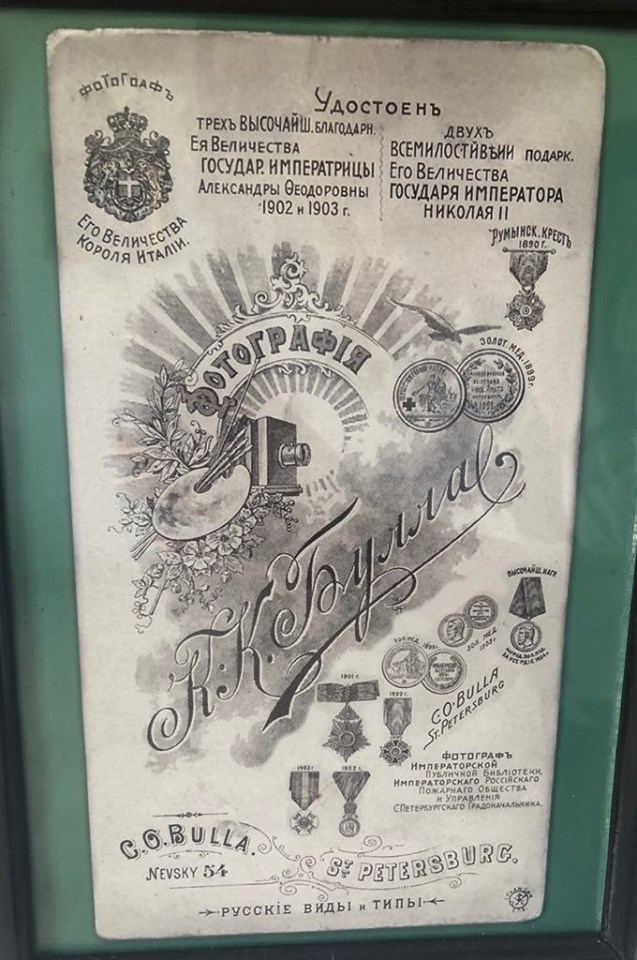
Carl Bulla pälvis autasusid Vene impeeriumilt ja kuuelt välisriigilt. Talle anti Peterburi fotograafi aunimetus ning keisrinna Maria Fjodorovna kurttummade hoolekogu, keiserliku rahvaraamatukogu, keiserliku tuletõrjeseltsi, Vene keiserliku lennuklubi, Peterburi linnavalitsuse ja Venemaa Punase Risti seltsi peavalitsuse erifotograafi tiitel.
Ta tegi pildiseeria Peterburi 200. aastapäeva pidustuste ajal. 19. augustil 1904. aastal sai Ta loa pildistada kõrgseltskonna tähtsündmusi ning muu hulgas jäädvustas Romanovite dünastia 300. aastapäeva auks koraldatud üritusi Moskvas, Kostromas ja Peterburis. Carl Bulla loodud on Nikolai II ja Tema pereliikmete fotoportreede galerii. 1910. aasta 6. mai ukaasiga ühendas tsaar koduta laste eest hoolitsemise seltsi liikme ja teise gildi kaupmehe Carl Bulla pärilikuks aukodnikuks.
1906. aastast pidas Carl Bulla fotokroonikat riigiduuma kõigi nelja koosseisu tegevuse kohta. Oma kaameraga jäädvustas Ta 1905.- 1907. aasta revolutsioonisündmusi Moskvas, Peterburis ja Balti kubermangudes, aga ka 1917. aasta veebruarirevolutsiooni sündmusi.
1906. aastate alguses tuli Bulla fotoateljeesse tööle Saaremaalt väljarännanud, kellede seas oli ka Christine Juliane Kaselberg (esimese abikaasa järgi Laskevitz), kes oli sündinud 13. oktoobril 1877. aastal Torgu vallas Iide külas Nõmme talus.
3. septembril 1906. aastal abiellus Ta Peterburi Püha Katariina roomakatolikukirikus Carl Bullaga. Abikaasad soetasid Saaremaale majad ja käisid seal regulaarselt.


1918. aasta juulis sõitsid Carl Bulla ja tema abikaasa Saaremaale, et selgitada välja nendele kuuluva vara saatus. Nad kavatsesid 1919. aasta kevadel Petrogradi naasta, kuid järgnenud sõjalised ja poliiitilised sündmused tegid tagasipöördumise võimatuks. Saaremaal pildistas Bulla rahvariietes kohalikke elanikke, töötegemist põldudel ja taludes. Võimalik, et ühe oma viimastest kaadritest tegi Carl Bulla 1928. aastal monumendi avamisel Kuressaares, kus oli kohal ka selle autor, kuulus skulptor Amandus Adamson. Carl Bulla suri 28. novembril 1929. aastal ja on maetud Saaremaale Jämaja kalmistule.
Ka Tema poegadest said suurepärased fotorgraafid ja filmioperaatorid. Aleksander Bulla (1881- 1934) tegutses fotoreporterina Vene Jaapani sõja ajal. Ta oli Vene filmikroonika alguse juures ning on maailma fotograafia ajalukku läinud kaadri “Tulistamine Petrogradi meeleavaldustel 4. juunil 1917. aastal” autorina.


Viktor Bulla tegi arvukalt reportaaže oktoobrirevolutsiooni ja kodusõja sündmustest. Ta annetas riigile u 200 000 negatiivi Carl Bulla pärandist. Mõlemad pojad sattusid repressioonide ohvriks. Aleksander oli 1928- 1934 vanglas sunnitööl, kus Ta ka suri. Viktor lasti 1938. aasta oktoobris maha. Viktori töid.
Carl Bulla ajaloolise fotograafia fond asutati 2005. aastal, et uurida ja tutvustada 19. ja 20. sajandi Vene fotograafiat. Erakapitali abil on põhjalikult rekonstrueeritud Carl Bulla fotosalong, avatud näitusegalerii ja Peterburi ajalooliste fotode muuseumnäitus. Fondi algatusel püstitati Peterburi fotograafile Malaja Sadovaja tänavale ausammas ning paigaldati mälestustahvel Nevski prospekti 54. sissepääsu juurde. “Ajastu nähtavad tunnused”, kus osalevad fotojakirjanikud sadadest Venemaa asulatest ja kümnekonnast välisriigist. Fondi kogust on korraldatud näitusi Serbias Belgradis, Ameerika Ühendriikides Washingtonis ja Montenegros Podgoricas.
Pinterestist näiteid Carl Oswald Bulla teistest fotodest.


Refereeritud tekst muuseumi Carl Bulla fondi esimehe V. Elbeki tekstidest, mis koostatud muuseumi tarbeks. Tänan muuseumi personali erilise ekskursiooni eest.
Pildid: youtube ja Pinterest
Isiklikud fotomälestused külaskäigust muuseumi.
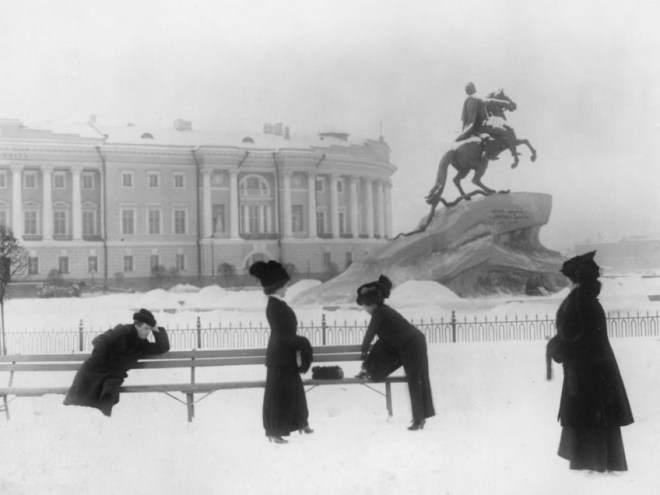 ENG Karl Karlovich (Carl Oswald) Bulla was born on Februry 26th, 1855 in Leobschütz, Kingdom of Prussia, in German Catholic merchant family. In 1866, eleven years of age, he traveled to Saint Petersburg where he found work as an errand boy for the Dunant company. In 1874 he started his independent photography career. In 1876 he took an oath of allegiance and became a Russian subject. On March 24, 1886 he was granted permission to “create photographic scenes of the capital and it´s vicinity” and became the first photojournalist of Russia. Over hundred thousand photographs authored by Karl in 1874- 1917 have become inextriably tied to the visual legacy of Russian Empire at the turn of the 20th century. He was equally excited to photograph the Imperial family and workers, Leo Tolstoy and children at an orphanage, royal receptions at the Winter Palace nad American sailors strolling the streets.


The Bulla studio at 54 Nevsky Prospect became a center of gravity for all starata of Petersburg society. He contributed Niva , Ogonek, Peterburgskaya Žizn , Stolitsa i Usadby and Novoye Vremya publications. His works were published in illustrated weeklies like L` Illustration (Paris), Berliner Illustrierte Zeitung, Berliner Lokal-Anzeiger and Die Woche (Berlin).
Karl Bulla received awards of the Russian Empire and six foreign countries, he was proclaimed a “Phtotographer of St. Petersburg” , a designated photographer of Empress Maria Feodorovna´s institutions for the deaf and mute, the Imperial Public Library, the Imperial Firefighting Society, the Imperial Russian Aero Club, the Saint Petersburg Directorate of Administration, Chief Directorate of the Russian Red Cross Society.
He made a series of photographs during the St. Petersburg 200th anniversary festivities. On august 19, 1904, he obtained permit to photograph “ceremonies in His Majesty´s presence”, photographed celebrations of the Romanov dynasty 300th anniversary in Moscow, Kostroma, Saint Petersburg. He created gallery of photographic portraits of Nicholas II and his family. On May 6th, 1910, the Emperor granted hereditary freedom of the city to Karl Bulla, merchant of the 2nd guild, member of the Society for the care of Homeless Children.
Starting in 1906, Karl Bulla maintained a photographic chronicle of State Duma in all its four iterations. His lens immortlized the events of the revolution of 1905- 1907 in Moscow, St. Petersburg and the Baltic lands. He also documented the February revolution of 1917.
Already in early 1900s Bulla´s studio employed people from Ösel ( Saaremaa), among them was Kristiine- Juliane Kaselberg (Laskevich by first marriage) who was born on October 1877 at the hamlet of Nõmme of the village of IIde in the Orgu parish. On September 1906 she married Karl Bulla at the St. Petersburg Roman Catholic Church of St. Catherine. The newlyweds purchased houses on the island and stayed there often.


Karl Bulla ofen visited Reval ( Tallinn) for work . In 1904 he photographed the Emperor ceremonially seeing off the cruiser Dmitry Donskoi departing for the Far East. In July 1908, Bulla was present at the meeting of the Russian Emperor with Armand Fallières, President of France. In July 1912, he photographed Nicholas II meeting German Emperor Wilhelm II on the Imperial yacht The Standard.
In July, 1918, Karl Bulla traveled with his wife to Ösel to find out the fate of their properties, intending to return to Petrograd in the spring of 1919. However subsequent military and political events made such a return impossible. He stayed on the island, photographing locals in their national garb, as well as field and farm work. Perhaps Carl Bulla took one of his last photos in 1928, at the unvelling of a monument in Kuressaare, in presence of the sculptor, the famous Amandus Adamson. Karl Bulla died on November 28, 1929 and was buried at the graveyard of Jämaja on the island of Saaremaa.
His sons also became remarkable photojournalists and cinema photographers. Alexander Karlovich Bulla (1881- 1934) created a formidable photographic chronicle of the World War One, the February revolution, the Civil war and the day-to-day life of Petrograd- Leningrad in the 1920s. Viktor Karlovich Bulla (1883-1938) worked as a photojournalist during the Russo- Japanese war, he was one of the first Russian cinema chroniclers, and became the author of the world famous photo “Massacre of the rally in Petrograd“ June 4th, 1917.
He often reported on the events of the October Revolution n the Civil War. He donated about 200 thousand negatives from karl Bulla´s legacy to the state. Both sons were targeted by repressions. Alexander was incarcerated from 1928 through 1934, Viktor was executed by firing squad in October 1938. Some of Viktor´s works.
The Carl Bulla Historical Photography Foundation was founded in 2005 to study and publicize Russian photogrphy from 19th and 20th centuries. A thorough reconstruction of the historical facilities of Karl Bulla´s studio was privately funded, a gallery was created, as well as a museum of historical photographs of St. Petersburg. The foundation encouraged the creation a monument to the photographer in Malaya Sadovaya street, and a memoril plaque for Karl Bulla on 54 Nevsky Prospect. A photo monograph was published, entitled ” Karl Bulla, the first Photojournalist in Russia”. “Visible Features of the Era “, the international Karl Bulla photography competition is held every two years, with phtojournalists from hundreds of Russian localities and dozens of foreign countries participating. The foundation brought it´ s exhibitions to Belgrad ( Serbia) Washington ( USA), Podgorico (Montenegro).
Pinterest selection of Carl Oswald Bulla´s photos
Special thank´s to Museum worker for the warm excursion and to Carl Bulla museums foundations chairman V. Elbeki for the texts.
Photos youtube
Pinterest
Personal photos of the museum and it´s interior

